Top 5 Lunar Events You Can’t Miss in 2026 (With Viewing Tips)
The Moon is always up there, shining bright, but 2026 is going to be a special year for lunar lovers. Why? Because it will give us a mix of rare and beautiful Moon events that you can watch right from your home — no expensive telescope needed (though one will make it better).
And honestly, you don’t have to be a space expert to enjoy them. Whether you’re just curious, or you already spend nights looking at the sky, these are the five Moon moments in 2026 that you shouldn’t miss. Let’s dive in. 🌙

Total Lunar Eclipse – February 20-21, 2026
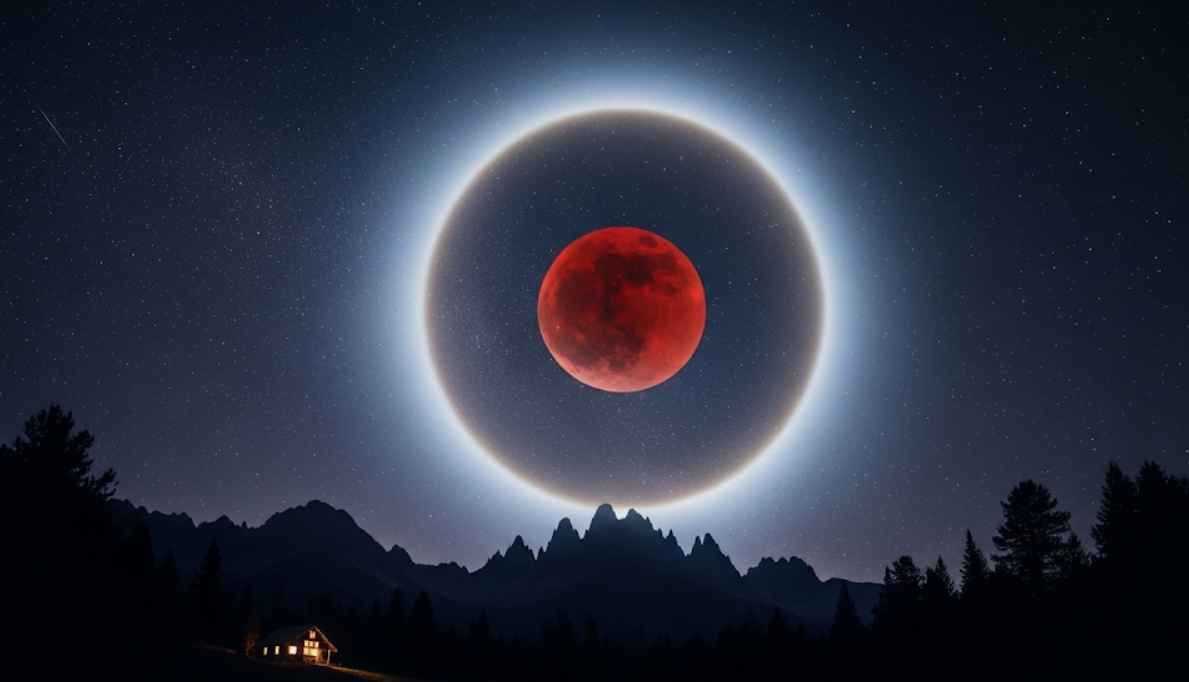
This is the big one early in the year. On these dates, the Earth will move directly between the Sun and the Moon, and the Moon will turn a deep red — the famous “Blood Moon”.
The best part? You won’t need fancy gear to see it. A clear sky and a spot with minimal light pollution will do the job.
Viewing Tip: Start watching about an hour before the maximum eclipse. Your eyes will get used to the dark, and you’ll catch the gradual change in color.
Visibility: Most of the Americas, Europe, and Africa.
| Phase | Time (UTC) |
|---|---|
| Penumbral Eclipse Begins | 02:30 |
| Partial Eclipse Begins | 03:35 |
| Total Eclipse Begins | 04:40 |
| Maximum Eclipse | 05:12 |
| Total Eclipse Ends | 05:44 |
| Partial Eclipse Ends | 06:49 |
Supermoon – September 18, 2026
This is when the Moon is closest to Earth in its orbit (called perigee) and also a full moon. In other words… it’s HUGE. 🌕
You’ll notice it looks brighter and bigger than usual — and it’s one of those nights where you might just stop mid-walk and say “wow.”
Viewing Tip: Try to watch it right at moonrise. That’s when the Moon appears even larger due to an optical illusion called the moon illusion.
Fun fact: The September 18 supermoon will be the brightest of 2026.
| Detail | Info |
|---|---|
| Moon Distance from Earth | 356,569 km |
| Percentage Larger Than Normal | ~14% |
| Brightness Increase | ~30% |
Blue Moon – May 31, 2026
A “Blue Moon” isn’t actually blue. It’s simply the second full moon in a single month. This one will be extra magical because it’s also a seasonal blue moon, falling near the end of spring.
While it won’t look different from a regular full moon, the rarity makes it special — the next one after 2026 will be in 2029.
Viewing Tip: Take this chance to photograph it with buildings, trees, or mountains in the frame. You’ll get a sense of scale and a great keepsake. 📸
Read also: The Ultimate Guide to Understanding Moon Craters and Their Origins
Partial Lunar Eclipse – August 28, 2026
Not as dramatic as a total eclipse, but still worth seeing. Only part of the Moon will be covered by Earth’s shadow, creating a sharp contrast between light and dark regions.
This event is perfect for beginners in skywatching because it’s easy to follow and doesn’t require staying up all night.
Viewing Tip: Use binoculars to really see the shadow line — you’ll notice more details in the lunar surface.
Visibility: Africa, Europe, and parts of Asia will get the best view.
Penumbral Lunar Eclipse – July 1, 2026
Now, this is the most subtle one of the list. The Moon will pass through the faint outer shadow of Earth, making it look slightly dimmer.
Honestly, it’s not as eye-catching as a blood moon or supermoon, but it’s still a nice reminder of the constant cosmic dance above us.
Viewing Tip: If you want to notice the change, take a “before” photo about 30 minutes before maximum eclipse and compare it later. You’ll see the difference.
Extra Viewing Tips for All Events
If you want the best possible experience for all these lunar events:
| Tip | Why It Matters |
|---|---|
| Find a dark location | Reduces light pollution and makes details stand out |
| Check the weather forecast | Clouds can block your view |
| Bring warm clothes | Night viewing often gets chilly |
| Use apps like SkySafari or Stellarium | Helps you track the exact position and timing |
| Take photos with a tripod | Prevents blurriness in long exposures |
Why 2026 is a Special Lunar Year
It’s rare for a single year to have both a total lunar eclipse and a supermoon and a blue moon. For skywatchers, this is like getting a triple bonus.
The events are spread across the year, so you don’t have to stay up every single month. You’ll have time to prepare for each one — maybe even invite friends and make it a little stargazing party. 🌌
FAQs
Q: Do I need a telescope for these events?
A: No. All of them can be seen with the naked eye. A telescope or binoculars will just make them more detailed.
Q: Will the Moon actually turn blue during the Blue Moon?
A: Nope. The term is just a name for the rare timing of two full moons in a month. The Moon’s color will be normal.
Q: What’s the best way to photograph a lunar eclipse?
A: Use a camera with manual settings, a tripod, and a long lens. Start with a low ISO (100–200) and adjust shutter speed to capture details without overexposing.
Q: Can I watch these events online if it’s cloudy?
A: Yes! Many space agencies and observatories livestream lunar events on YouTube and other platforms.
Q: Are these events safe to watch?
A: Absolutely. Unlike solar eclipses, lunar events don’t require special eye protection.
Final Words
2026 is shaping up to be a skywatcher’s dream year. Whether it’s the dramatic red of a total lunar eclipse, the oversized glow of a supermoon, or the rarity of a blue moon, each event brings its own kind of magic.
So, mark your calendar, set a reminder, and maybe grab a blanket for the chilly nights. The Moon will be putting on a show — and all you have to do is look up. 🌙✨