The Ultimate Guide to Understanding Moon Craters and Their Origins
If you’ve ever looked at the Moon through a telescope — or even just a good photo — you’ve probably noticed those round dents all over its surface. They’re called craters. Some are tiny, barely a dot. Others? Big enough to swallow entire countries. But here’s the thing — each of those craters tells a story, and together they’re like a history book carved into lunar rock 📖🌙.
What Are Moon Craters?
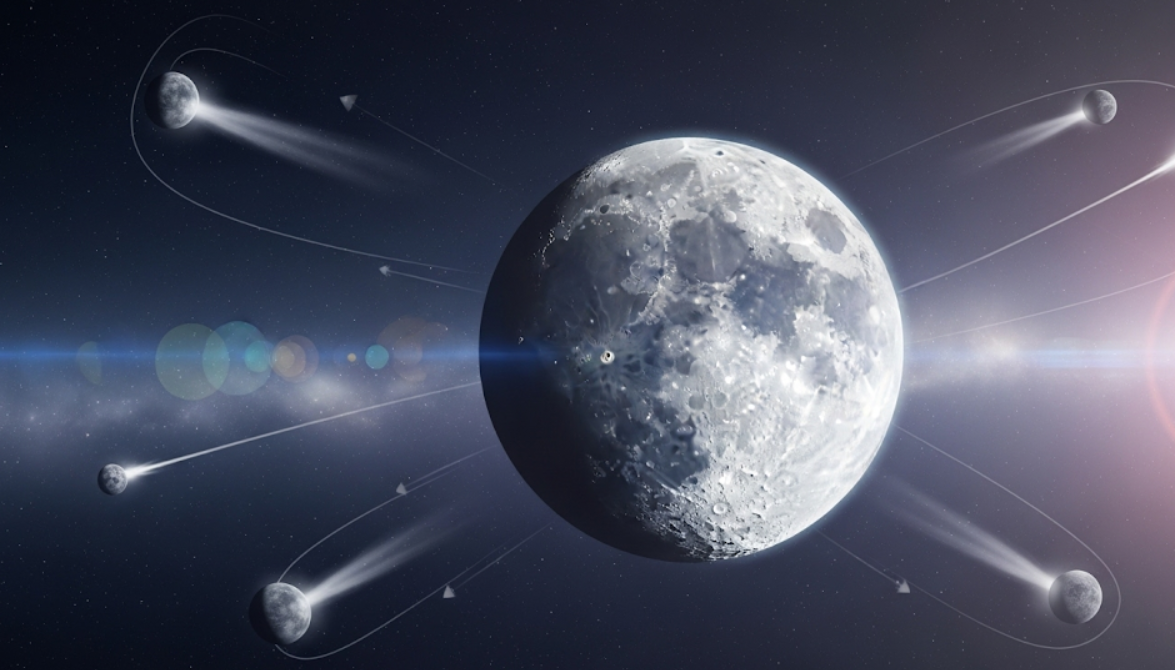
In simple terms, a Moon crater is a bowl-shaped hole in the lunar surface. Most of them formed when meteoroids, asteroids, or comets slammed into the Moon at high speed. Since the Moon has no atmosphere to slow them down, these space rocks hit with incredible force, releasing energy equal to nuclear bombs. The result? A sudden explosion that digs out a round hole and throws debris in every direction.

Why the Moon Keeps Its Craters
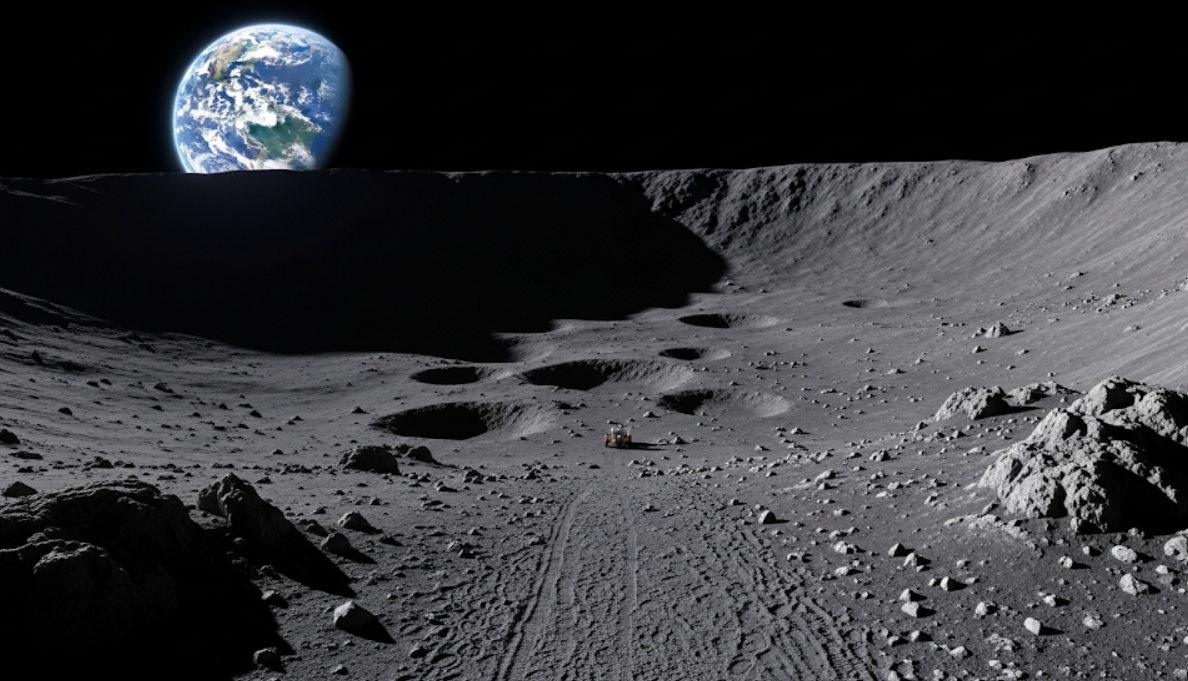
On Earth, craters don’t last forever. Wind, rain, rivers, and even plants slowly erase them. The Moon, though, is different. There’s no weather, no flowing water, and no plants. Once a crater forms, it stays — for millions or even billions of years. This is why the Moon’s surface still carries scars from impacts that happened before life even existed on Earth.
How Scientists Study Craters
Scientists don’t just stare at craters for fun. They measure their size, depth, and shape to figure out when they formed and what caused them. By studying overlapping craters, they can even tell which one is older. Some researchers also send spacecraft to take close-up pictures, revealing tiny details about the rocks inside. Every crater is like a time capsule, keeping secrets from ancient space history.
The Two Main Types of Moon Craters
Not all craters are the same. In fact, scientists divide them into two main types:
| Type | Description | Example on the Moon |
|---|---|---|
| Simple craters | Small, bowl-shaped, with smooth walls. Usually less than 15 km across. | Moltke crater |
| Complex craters | Large, with central peaks, terraced walls, and flat floors from molten rock cooling. | Tycho crater |
The big difference comes from how much energy the impact released. Small impacts make neat little bowls, while larger ones create more dramatic landscapes.
The Role of Volcanoes in Crater Formation
Here’s a twist — not all Moon craters came from impacts 💥. A few are actually volcanic in origin. Billions of years ago, the Moon was still cooling down from its formation. Heat inside caused lava to burst out in some places, creating shallow depressions that look like impact craters. The difference? Volcanic craters often have smoother floors and fewer sharp edges.
The Most Famous Moon Craters
Some craters are so big and well-preserved that they’ve become lunar landmarks. For example:
-
Tycho – Bright rays stretch out for hundreds of kilometers.
-
Copernicus – Huge, with terraced walls and a central mountain.
-
Clavius – One of the largest, filled with smaller craters inside.
-
Aristarchus – Extremely bright, visible even with binoculars.
These craters are often used by astronomers as reference points when mapping the Moon.
How Crater Size is Measured
Crater size isn’t just about diameter. Scientists also measure depth, slope, and the amount of ejecta (material thrown out). Interestingly, a crater’s depth is often about one-fifth its width. So, a crater 20 km wide might be around 4 km deep — that’s deeper than Mount Everest is tall!
Craters and the Moon’s Age
By counting the number of craters in a given area, scientists can estimate how old that surface is. A region covered in craters is older, because it’s been exposed to space impacts for longer. Younger surfaces, like lava plains (mare), have fewer craters because volcanic activity once smoothed them out.
You may also like: Top 5 Lunar Events You Can’t Miss in 2026 (With Viewing Tips)
Why Some Craters Have Rays
You might have noticed some craters have light-colored streaks radiating outward. These are called rays, made of pulverized rock thrown out during the impact. Over time, solar radiation darkens them — so bright rays mean a relatively young crater.
Craters as Clues for Future Moon Missions
NASA and other space agencies use crater studies to decide where to land spacecraft. Craters can expose underground layers of rock, letting scientists study materials from deep beneath the surface without drilling. They can also be dangerous — landing on a slope or rubble-filled crater could damage equipment.
Interesting Facts About Moon Craters
-
The Moon’s largest known impact basin, the South Pole–Aitken Basin, is about 2,500 km wide and 8 km deep.
-
Some tiny craters are no wider than a coin — formed by micrometeorites.
-
The lack of atmosphere means impacts can happen at speeds up to 72 km/s.
-
Earth and the Moon share some crater history — debris from the same meteor showers often hits both.
Table: Comparing Moon and Earth Craters
| Feature | Moon | Earth |
|---|---|---|
| Atmosphere | None | Thick, protective |
| Weather erosion | No | Yes |
| Number of visible craters | Millions | Few hundred |
| Age of oldest craters | Over 4 billion years | Around 2 billion years |
What Craters Teach Us About the Solar System
Studying lunar craters isn’t just about the Moon. It’s about understanding how often planets and moons get hit, what those impacts do, and how they’ve shaped the history of our entire solar system. Without an atmosphere, the Moon has preserved a much clearer record than Earth, making it like a “control sample” for planetary scientists.
FAQs about Moon Craters
Q: Why are Moon craters round, even if the meteor hits at an angle?
A: The explosion sends shock waves equally in all directions, so the resulting hole is circular almost every time.
Q: Can new craters still form today?
A: Yes! The Moon still gets hit by small meteoroids. Most are tiny, but occasionally a new crater forms large enough to see with a telescope.
Q: Could we live inside a Moon crater?
A: Some scientists think craters near the poles, which are always in shadow, might hold frozen water. These could be good spots for future Moon bases.
Q: Are there craters on the far side of the Moon?
A: Definitely — in fact, the far side is even more cratered because it faces deep space and gets hit more often.
Q: How do astronauts avoid craters when landing?
A: They choose landing sites carefully, often in flat areas away from steep crater walls or heavy debris.
Final Thoughts
Moon craters are more than just holes in rock — they’re pages in the story of our solar system. Each one records a moment when space and time collided, leaving a permanent mark. Whether caused by flying space debris or ancient volcanic activity, they’ve turned the Moon into a natural museum of cosmic history 🪐✨. Next time you look up at the Moon, remember — you’re looking at billions of years’ worth of space’s greatest hits.